Crow & CabbageGarden Desk · Plot & Plate
A hot or tropical climate card
Growing garlic
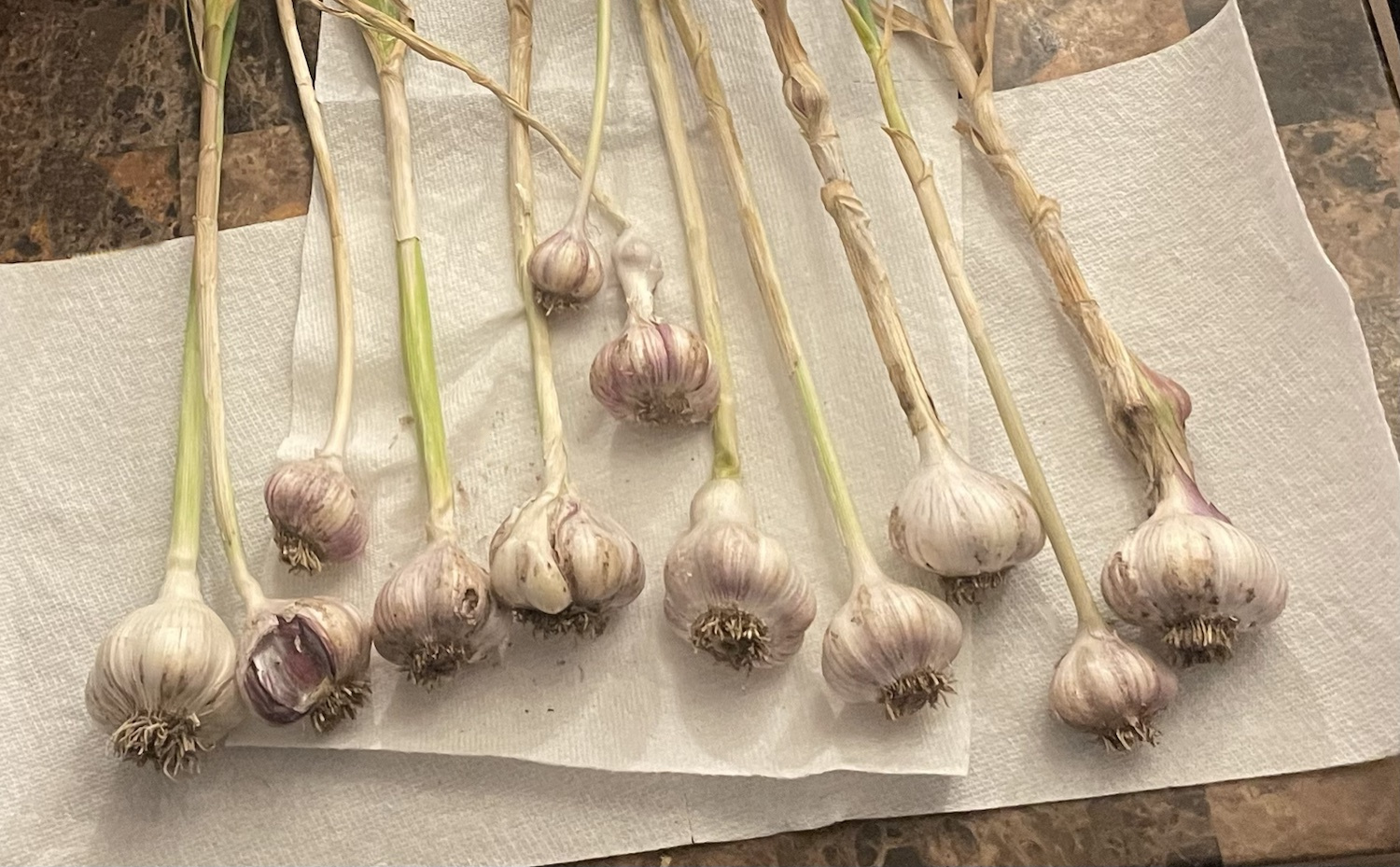
Based mainly on University of Hawaiʻi CTAHR guidelines for Hawaiʻi — not a claim that garlic is easy in every tropical climate. Follow the guidance for your climate and check local growing conditions.
Find your local timing. Ask a local agriculture department, university, or horticultural society before you plant. Do not copy Hawaiʻi months or a fridge method onto another region unless a source written for that place says to.
Key steps
- Both hardneck and softneck can be grown in Hawaiʻi, but cloves must be artificially vernalized: at or below 4°C (40°F) to produce large bulbs. Without that cold, growers may see only leaf growth and little or no bulb.[1]
- Field trials: refrigerate at 4°C (40°F) for 1–2 months (October–December), then plant in the cool months of December–February, and try to time harvest for a drier period.[1] Plant 2.5–4 cm (1–1.5 in) deep, 10–15 cm (4–6 in) apart, rows 15–30 cm (6–12 in), in well-drained soil.[1]
- Success has been shown above about 150 m (500 ft), including Kula, Central Oʻahu, and Lālāmilo (Waimea). Inadequate cold, poor moisture, and temperatures above 29°C (85°F) may undo the chilling; longer cold exposure may help prevent that.[1]
- Water about 2.5 cm (1 in) a week, then turn irrigation off about 90 days after planting. Harvest is often when the lower 40–60% of leaves are yellow (some growers wait until all are yellow and dry). Field-cure if there is no rain; otherwise use a dark, dry, well-ventilated cover. Cure 10–14 days if some leaves are still green.[1]
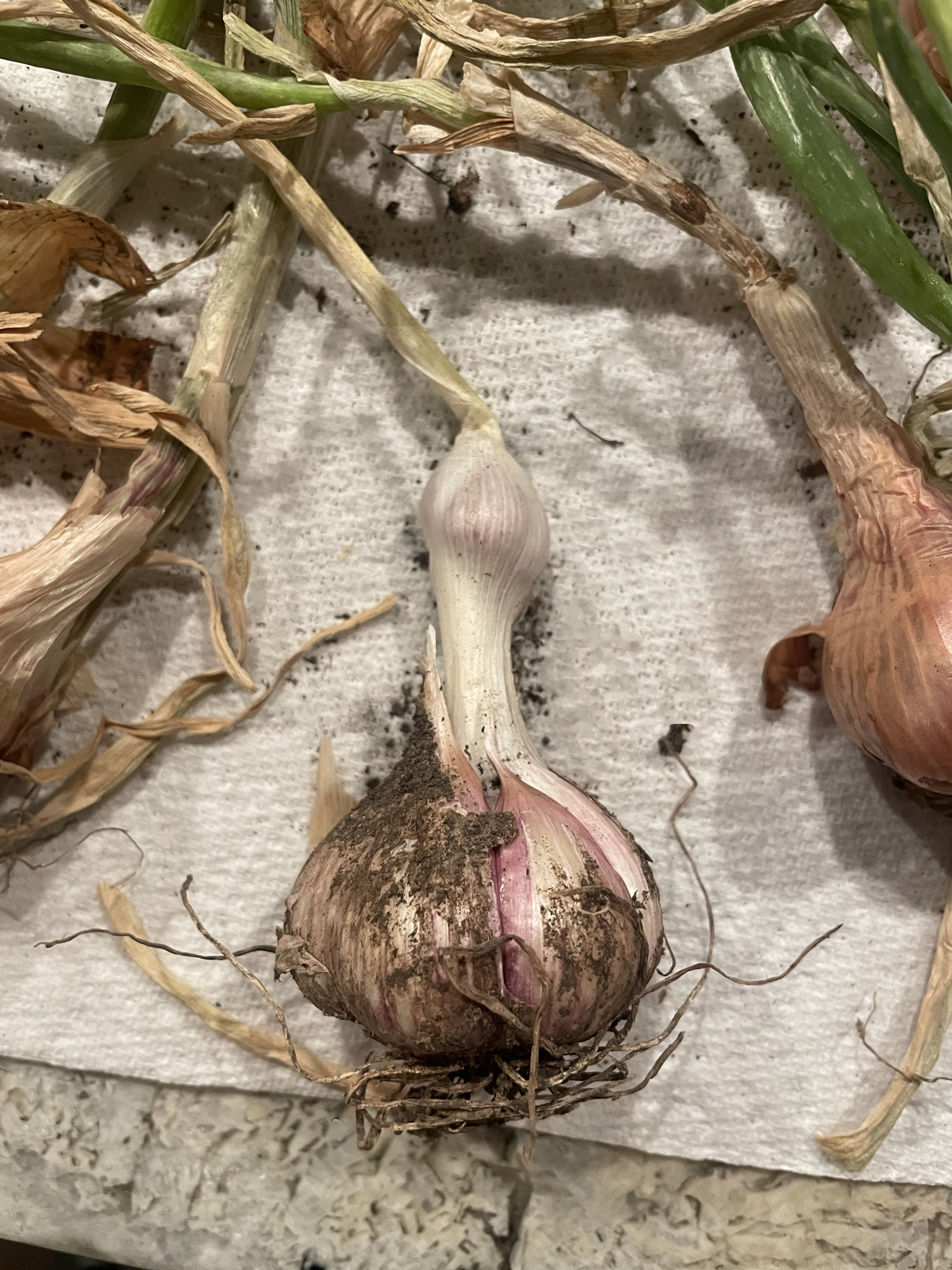
Limits of this card. This is guidance written for Hawaiʻi, not a method for every hot or tropical place. No FAO home-garden fact sheet was found for lowland tropical garlic, and this card does not invent advice for other regions.
Full worldwide garlic guide