Crow & CabbageGarden Desk · Plot & Plate
A mild-winter climate card
Growing garlic
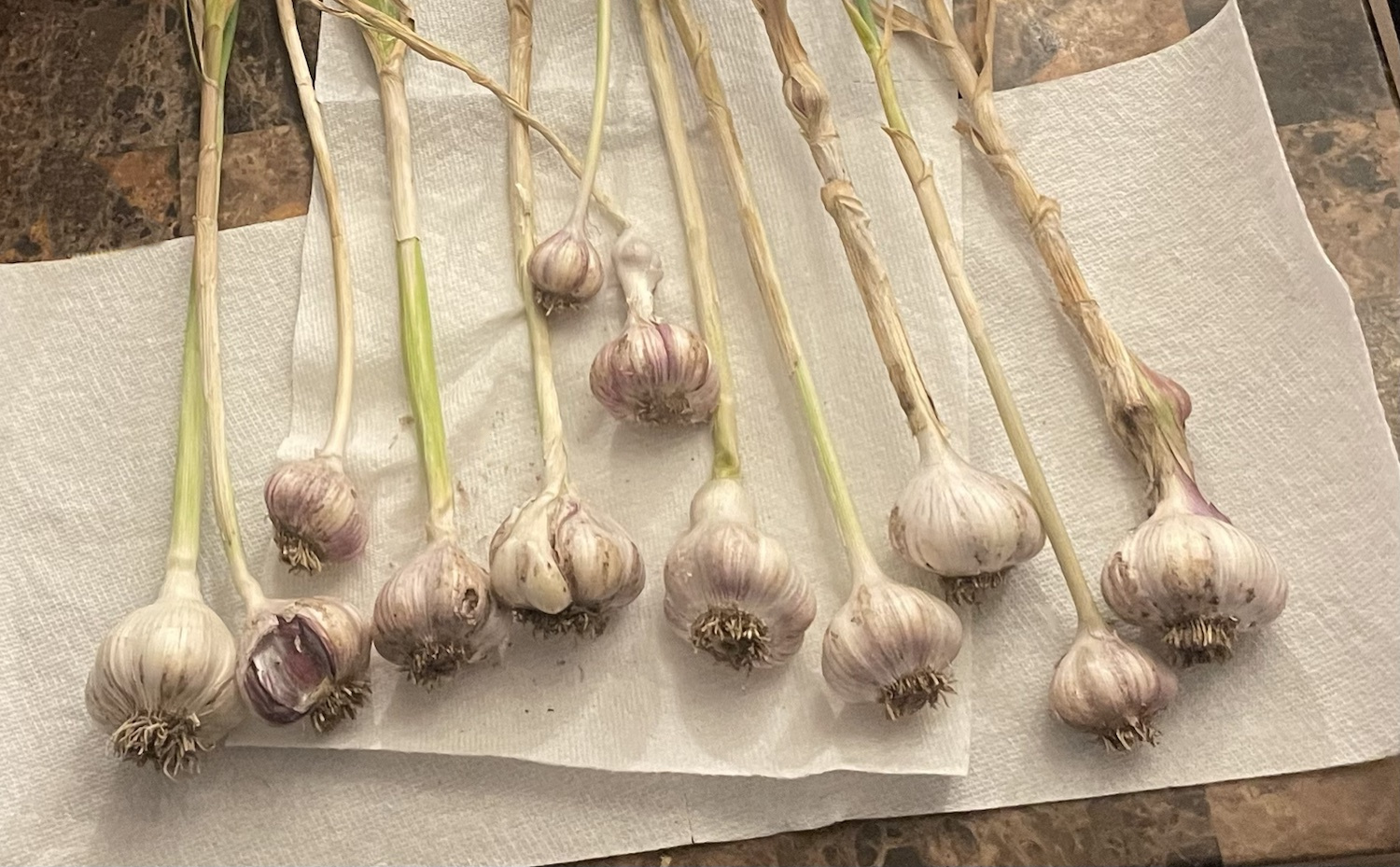
For mild, Mediterranean, or subtropical winters. Softneck types are often preferred. Northern Hemisphere months come from the cited services. Units are metric and imperial.
Find your local timing. Do not use a date invented here. Ask a local extension, agriculture department, or horticultural society, and check local frost or seasonal dates from a meteorological service.
Key steps
- Grow from cloves. Prefer named planting garlic; plant pointed end up in full sun and well-drained soil.[4] Softneck is often preferred and needs less winter chill.[1][2] Florida IFAS suggests types such as Artichoke or Creole.[3]
- Plant in autumn through early winter. UC ANR: autumn planting for the largest bulbs; many California regions October–December, desert valleys September–November (approximate).[4] Florida IFAS: late autumn through early winter.[3] Texas A&M’s crop guide gives an optimum planting time when soil temperature at 5 cm (2 in) depth is below 29°C (85°F).[5] A Travis County AgriLife article says to plant any time from mid-October through early December.[2] A Travis County AgriLife article plants cloves 2.5–5 cm (1–2 in) deep and 15 cm (6 in) apart.[2] UC ANR uses 5 cm (2 in) deep, 10 cm (4 in) apart.[4]
- Harvest when about half of the leaves have dried and bent towards the ground.[3] Put the bulbs in a well-ventilated spot with bright, indirect light for a few days. When they’re dry, cut off the leaves and store the bulbs in a cool, dark place.[3]
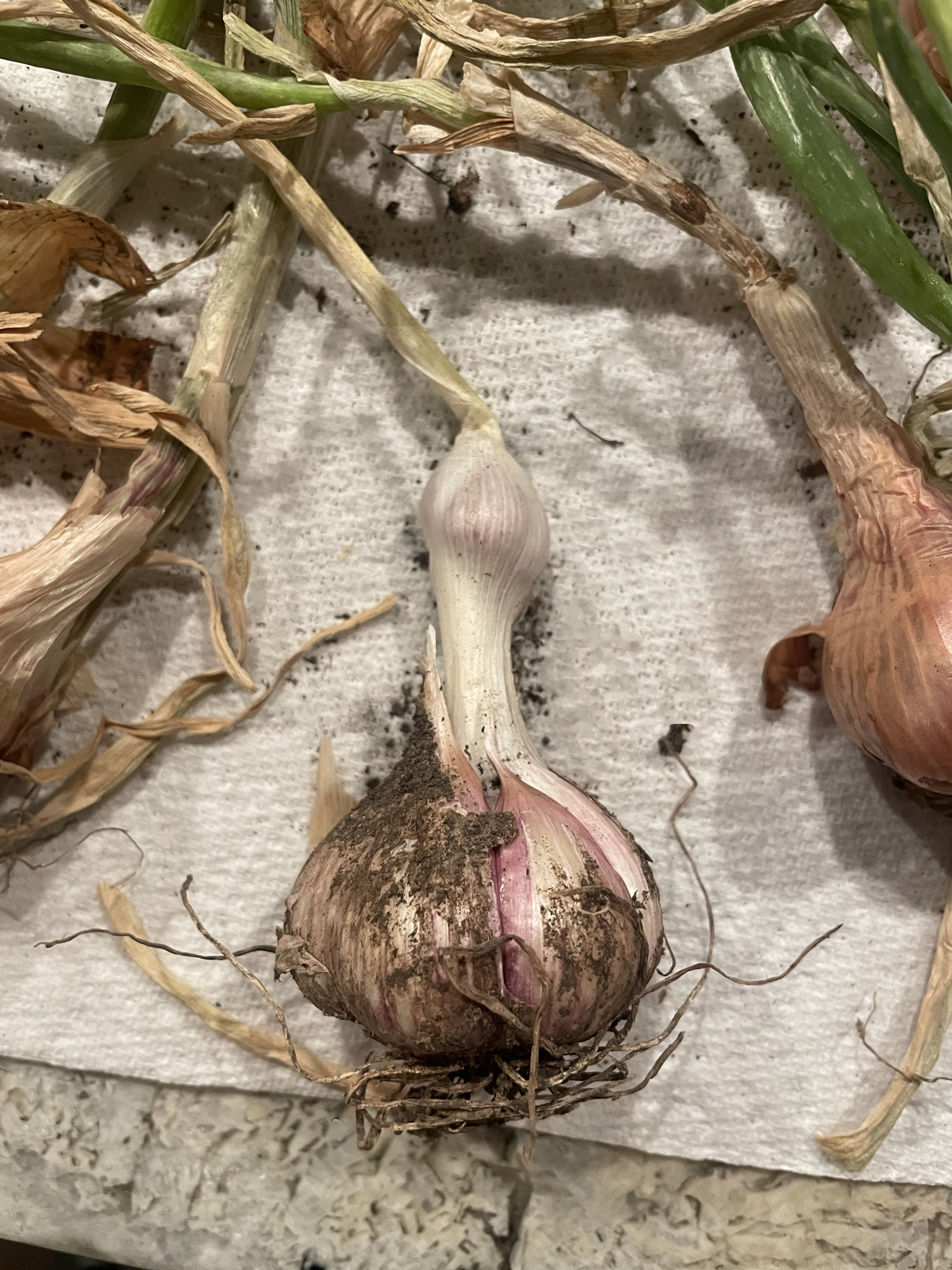
Sources disagree on winter cold and pre-chilling. Texas A&M describes 6–8 weeks below 4°C (40°F) to vernalize (get the cold signal to form bulbs).[5] A Central Texas AgriLife article suggests refrigerating hardneck for a few weeks if you try it in a mild winter.[2] The Florida IFAS page cited here does not tell home gardeners to pre-chill cloves for a normal autumn planting.[3]
Full worldwide garlic guide